

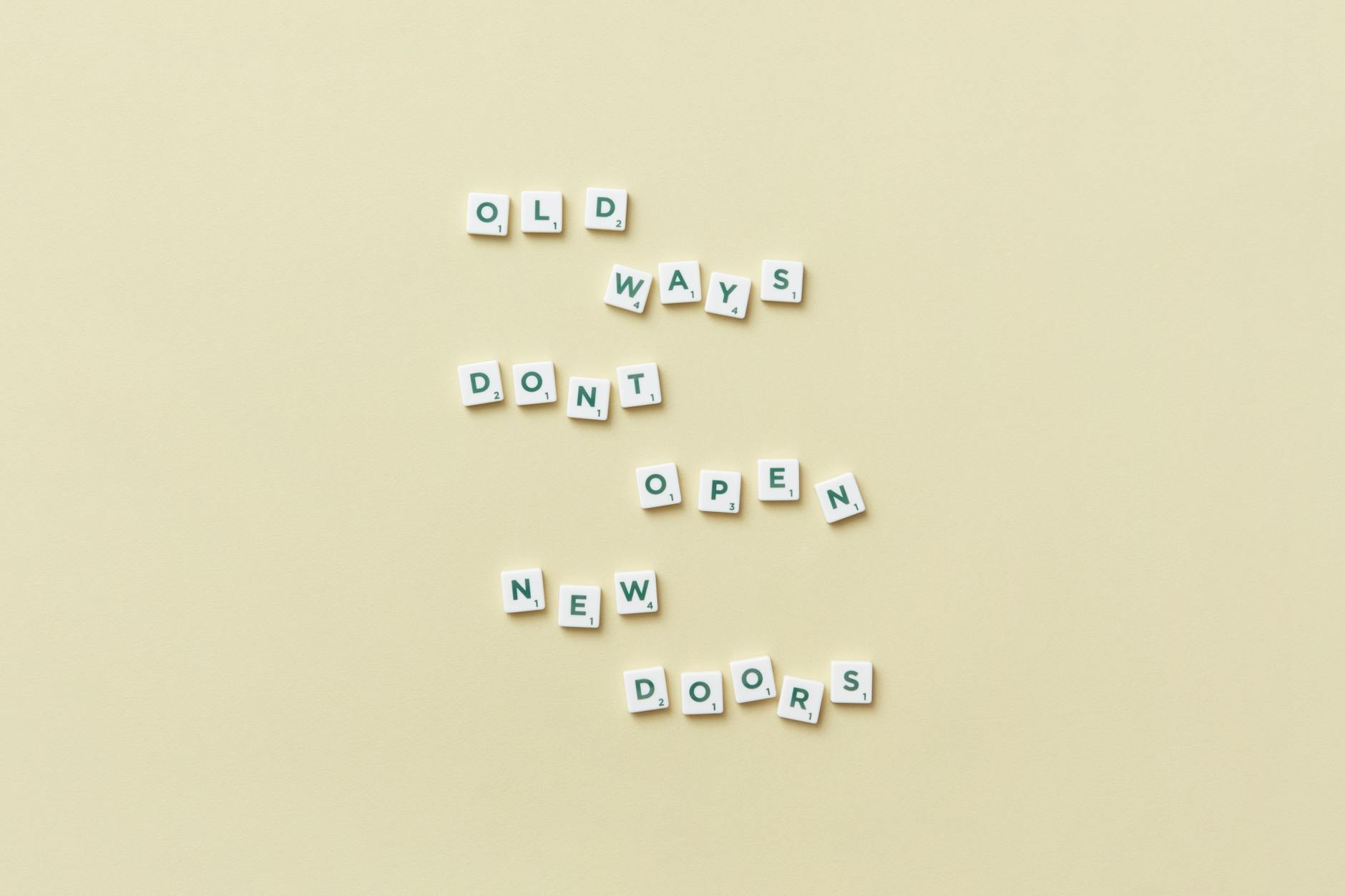
‘It’s time for every organization, whatever its size and scope, to profoundly and deeply examine the reason it exists, and to practice, over and over again, telling that story to every stakeholder in its ecosystem.’
‘If machines eliminate jobs, and jobs give our lives meaning, what are we going to do to keep ourselves believing that we matter?’
‘If people can’t work, what happens to our drive for community? Or our eagerness to continue?’
‘We bring our need and our talent for connection with other human beings into every aspect of our lives, including work.’
‘We bring our human need to connect with other people right smack dab into our jobs and our workplaces.’
‘It’s people at work who bring empathy, connection, magic, warmth, understanding, joy, creativity, imagination, beauty, and innovation to organizations as they build things, serve customers, and meet their mission.’
‘Toxic workplaces have myriad consequences- on profit, on the planet, and on people.’
‘It’s time for organizations to get back to basics and remember what the people who work for them need, and what the world needs.’
‘The speed of our connection moves us fleetingly from one thing to another, with very little time to think and add value by learning and growing.’
‘Creating workplaces fit for human life, and paying conscious attention to the soft stuff of people-centered leadership and culture, is not simply about making people happy at work.’
‘To help employees feel alive at work, leaders must look more closely and consider what motivates people, what makes their hearts sing, why they work, and what they dream.’
‘The only thing more expensive than an employee leaving is an employee who is miserable and stays.’
Source:
Moe Carrick (2019). Bravespace Workplace: Making Your Company Fit for Human Life


You must be logged in to post a comment.