
‘Illuminating The Heart Of Leadership Through Literature’

Photo by Mehmet Turgut Kirkgoz on Pexels.com

‘Great businesses, great ideas, and great accomplishments usually originate in an individual’s deepest aspirations.’

‘A compelling image- of a better world and a best life for themselves- impels them forward through obstacles and hardships and engages the aspirations and dreams of others.’

Dreams have real and pervasive consequences, particularly the dreams of men and women with power over others.’

Good dreams have deep roots in a person’s character and everyday life, not in the images and seductions of society around them.’

What do successful leaders really care about?’-

Joseph L. Badaracco, Jr.

Recruitthbest.org

‘Good dreams reshape themselves as time goes by, and they deepen and strengthen relationships with other people.’

‘Love of drudgery may be a better test of a healthy dream than excitement or inspiration.’

‘Leaders make a difference in the world by refracting their dreams through an endless series of small and large efforts- over hours, weeks, and years.’

‘Leader’s reactions to their failures can be as revealing as the failures themselves.’

Joseph L. Badaracco, Jr.

‘To understand whether a leader has a moral code for conditions of change and instability, we need to look more closely.’

Leaders can lose their way, even when they have he best of intentions and outstanding skills, because of the relentless, intense, and extraordinary varied demands they face.’

Source:

Joseph L. Badaracco, Jr. (2006). Questions of Character: Illuminating the Heart of Leadership Through Literature

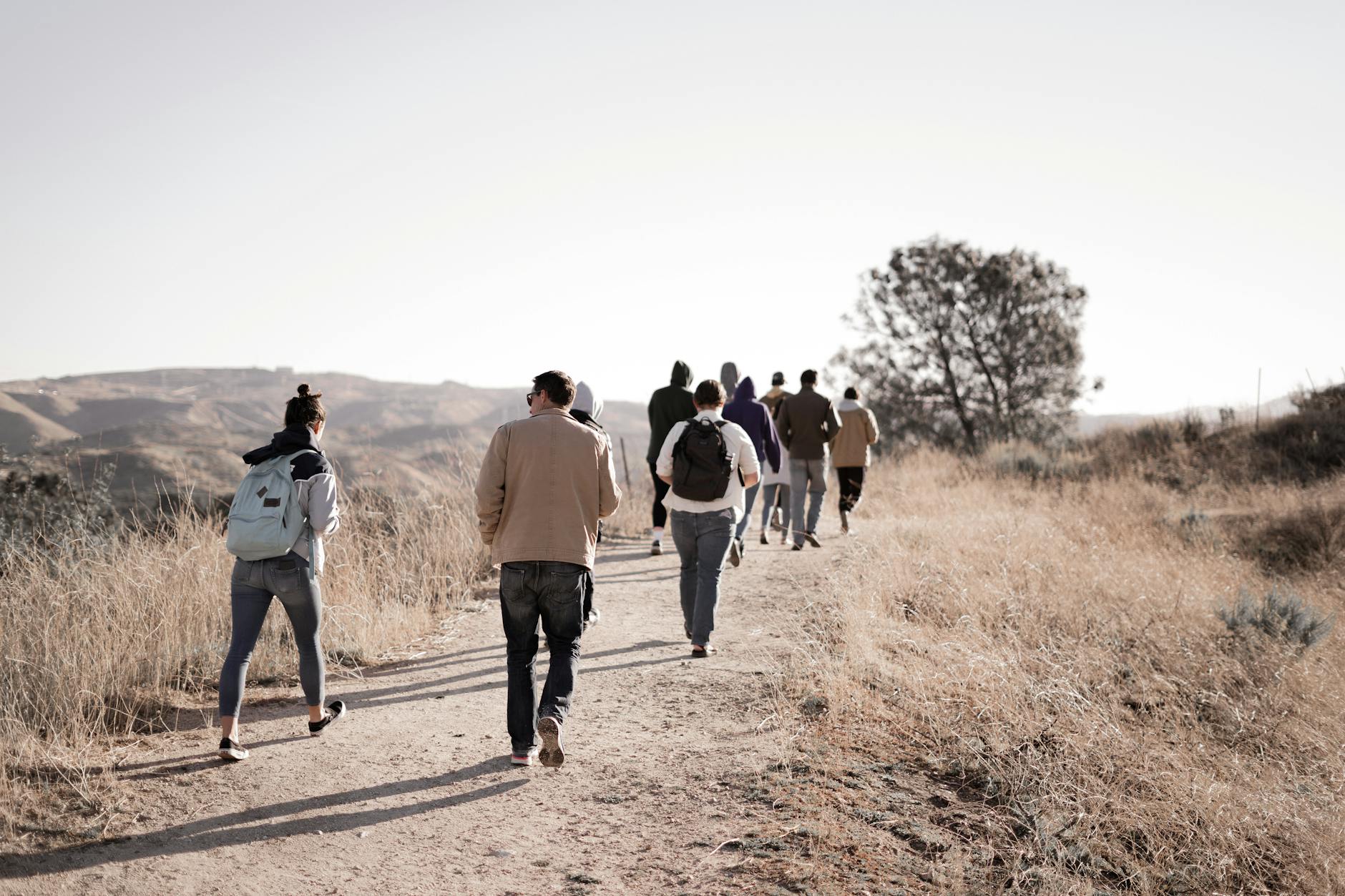
‘Leading So People Will Follow’

Photo by scott neil on Pexels.com

‘Why do people want passion in a leader?’

Erika Andersen

‘A truly passionate leader invites and encourages dialogue. She wants others to share in her passion, not simply tolerate or be railroaded by it.’

‘Leaders who are farsighted are realistic … and future oriented.’

‘Speaking from a we versus I perspective arises out of a belief that we are responsible for success, that we will work together to achieve the goals of the organization.’

Learning begins inside your own head, in managing how you’re talking to yourself about the obstacles before you.’

‘If we align ourselves behind a leader, we want that person to stay the course: we don’t want him or her to get bored, or distracted, or careless, and wander away from the fray.’

‘… Courageous leader also has the courage to change her mind in response to new information and take full responsibility for both the initial position and the new one.’

Courage in a leader is a blend of toughness, decisiveness, willingness to move past one’s own limitations, humility, and resilience. It involves making difficult business and personal decisions, overcoming fear and risk to act on those decisions, and responding to the outcomes of those decisions in a responsible way.’

People want courageous leaders in order to know that someone will make the tough calls and take responsibility for them.’-

Erika Andersen

Recruitthebest.org

‘When people observe their leader behaving courageously over time, they are much more willing to follow him or her into new territory.’

When the leader lacks courage, people feel as though they need to protect themselves. They tend to withdraw their commitment from the team and the enterprise and the enterprise try to figure out how to mitigate the personal impact of their leader’s lack of courage.’

Source:

Erika Andersen (2012). Leading So People Will Follow