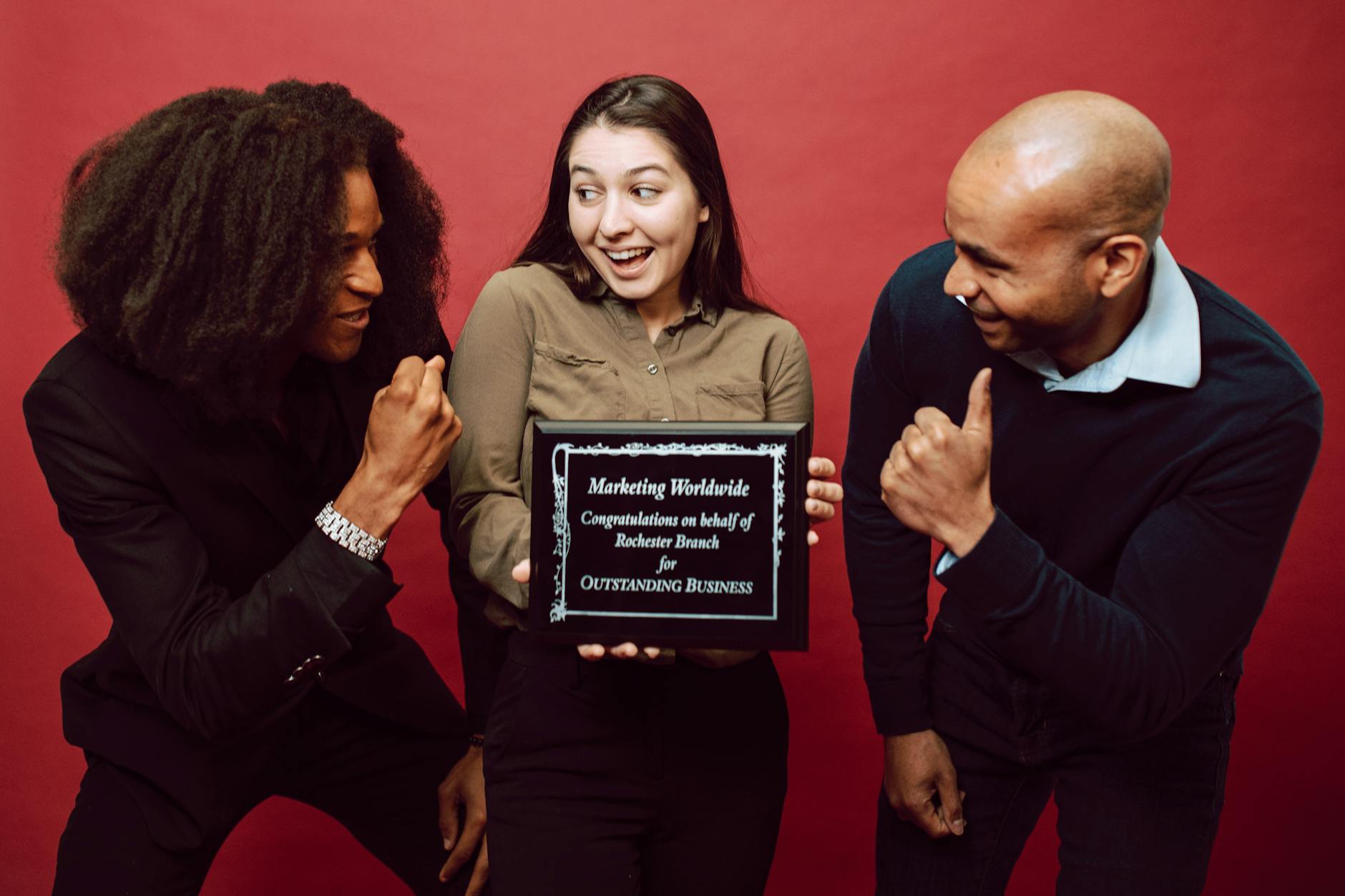
The Importance Of Social Recognition

Photo by RDNE Stock project on Pexels.com

‘Giving recognition and thanks for a job well done promotes happiness in both the recipient and the giver.’

‘Social recognition serves as a healthy-living routine for company culture. It promotes only desired behaviors and discourages superfluous or unhealthy behaviors.’

‘Recognition by peers is one sign that the company’s culture has spread from the elite to the majority.’

‘When peers recognize each others’ contributions, they build trust. Silo walls fall, and information flows more freely.’

‘In a knowledge economy, almost all work is collaborative, that is, social.’

‘The most valuable actions should be recognized, recorded, and retrievable.’

‘Social recognition cultivates a culture of recogniton among employees, management, and executive leadership.’

‘A clear global strategy requires a clear outcome.’

‘Reputation management is no longer a simple matter of ‘managing up’ or becoming the boss’s favorite, but about cultivating a continuous positive conversation with the community.’

‘A global strategy creates a single recognition brand and vocabulary.’

‘Strategic recognition aligns company culture with geographic, national, and even demographic cultures. The company’s most important values are understood by everyone…’

‘Recognition is, like engagement, energy, and creativity, measurable but is about more than a single metric.’

Source:

Eric Mosley (2013). The Crowd Sourced Performance Review: How to Use the Power of Social Recognition to Transform Employee Performance


Building A Connected Workplace

Photo by Fox on Pexels.com

Onboarding sets the tone for what can hopefully be a long, possibly winding, but mutually beneficial relationship.’

Autonomy and flexibility are good for business, great for people, and just might change the world.’

‘Connection at work have always been the secret sauce of a thriving culture, but in today’s flexible workplace, it’s a nonnegotiable.’

Professionalism infused with authenticity is the hallmark of today’s workplace.’

Meetings are a critical ingredient in the recipe for retention. … When we know the why of our meetings, the where and the how become clearer.’

Taking professional development personally is fuel for the ecosystem of opportunity.’

Keeping employees connected to your company means understanding that coming and going are just different aspects of a long and winding relationship- as part of the workforce, as customers, as brand ambassadors, as friends, as humans.’

Encourage managers to have regular conversations with their employees about how they want to grow and develop.’

Celebrate managers through community, connection, and recognition. Middle managers often feel especially overwhelmed and underappreciated. Make sure you celebrate their wins and cultivate opportunities for connection with other managers so they can feel supported by their peers.’

Communicate internal opportunities widely. Make it easy for employees to find a new role inside the company rather than outside.’

‘It’s not you. It’s not me. It’s us.’

Source:

Erica Keswin (2025). The Retention Revolution: 7 Surprising (and Very Human!) Ways to Keep Employees Connected to Your Company