

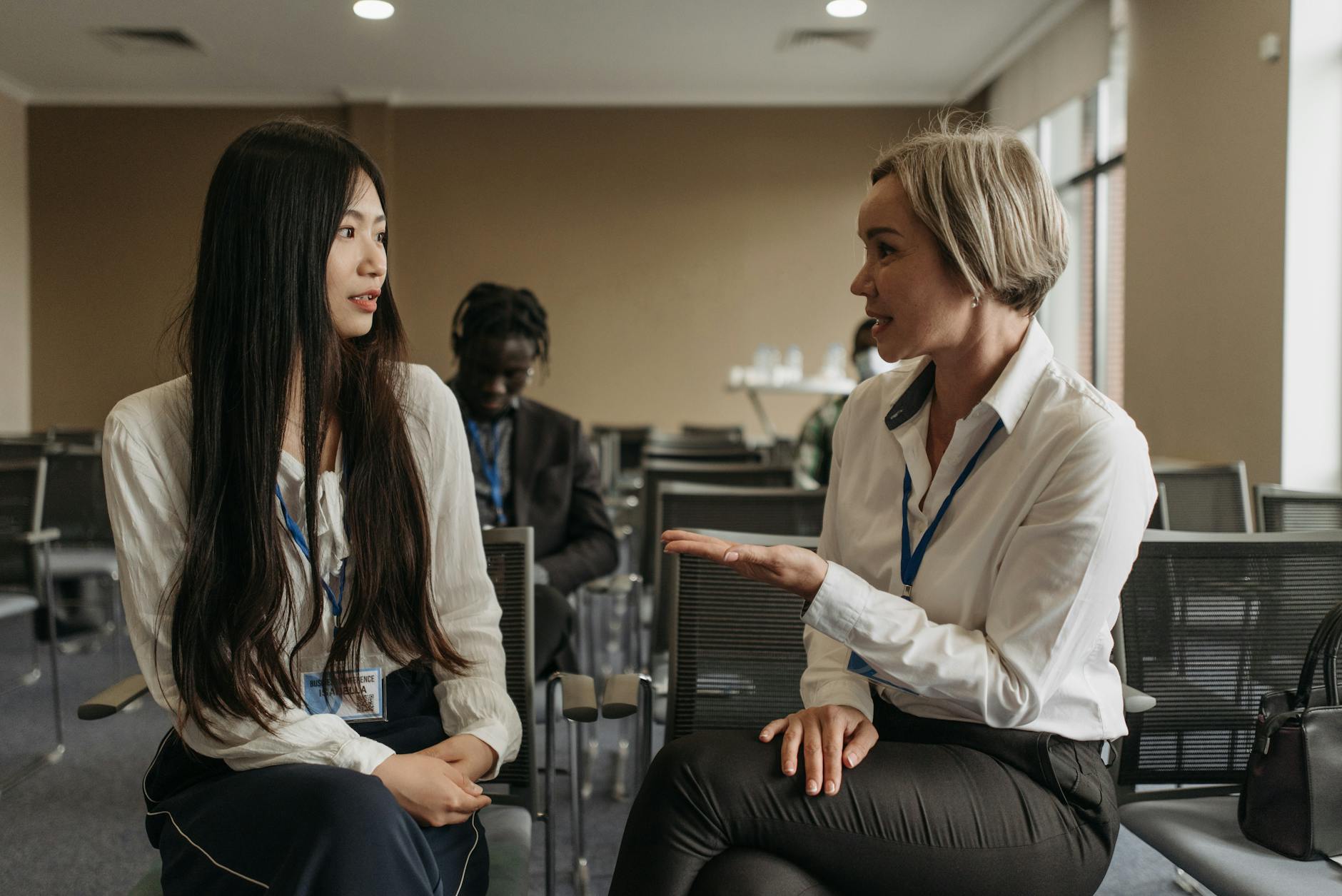
‘Career development is one the most powerful and underutilized levers leaders have to drive engagement, retention, and results.’
‘A few minutes of conversation can help others slow down enough to reflect, bring deep insights to the surface, verbalize important messages, and consider how to leverage their expanding skills and knowledge base.’
‘Scale experiences based on your sphere of influence, organizational needs, and what employees want to achieve.’
‘Opportunity-minded managers envision and enable possibility-advancing circumstances with employees- through conversation.’
‘Careers are developed one conversation at a time … over time.’
‘When you reframe development as co-creating enriching experiences, you widen the lens of possibilities and allow your people to grow right where they are.’
‘Leaders have to help employees see that it’s not down shifting. It’s just changing lanes, sometimes avoiding the traffic, and seeing new scenery in the process.’
‘The career-climbing wall is expansive, offering a wide selection of spots to explore and enjoy, and a nearly unlimited combination of moves in every direction- around, up, over, and down toward one’s vision of career success.’
‘Give employees a visceral, first-hand foresight experience by allowing them to interact directly with the changing business environment.’
‘Anytime is a great time for a hindsight conversation.’
‘Your employees’ ability to take satisfying and productive steps toward career goals is directly proportionate to their self-awareness.’
‘Source:
Beverly Kaye and Julie Winkle Giulioni (2024). Help Them Grow or Watch Them Go: Career Conversations Organizations Need and Employees Still Want



You must be logged in to post a comment.