
‘Stronger Through Adversity’

Photo by Caroline Martins on Pexels.com

Crises activate leaders to address seemingly endless organizational threats and opportunities. Unfortunately, leaders can become so absorbed in crisis management that they neglect their well-being.’

Self-care is fundamental to self-leadership, and self-leadership is fundamental to leading others.’

Seeking input and assistance can serve to break through a leader’s sense of isolation.’

By establishing constructive leadership alliances and leveraging them within or across industries, you are likely to garner support, share data, offer analyses, contribute ideas, and think deeper.’

‘The job of a leader, in crisis and calm, is to offer team members tools and support that enables them to take action whenever and wherever possible.’

In crises, leaders are well-served to increase informal listening … to assess the status, fears, attitudes, and behaviors of those they serve.’

‘Listening is the heart of leadership.’

Leaders typically respond to crises by sharing information that provides a more comprehensive picture of evolving circumstances, even if some of what they share might be alarming.’

‘Despite pressure to have all the answers, no leader can live up to that expectation or offer gurantees in an environment of unrelenting change.’

Crisis communication should be purposeful, well-timed, congruent, and relevant to the intended audience.’

‘In times of crisis, leaders have to be especially careful with the words they choose and respect the power of their communication.’

Source

Joseph A. Michelli (2021). Stronger Through Adversity: World-Class Leaders Share Pandemic-Tested Lessons on Thriving During the Toughest Challenges

‘Leadership Lessons From The Great Antarctic Explorer’

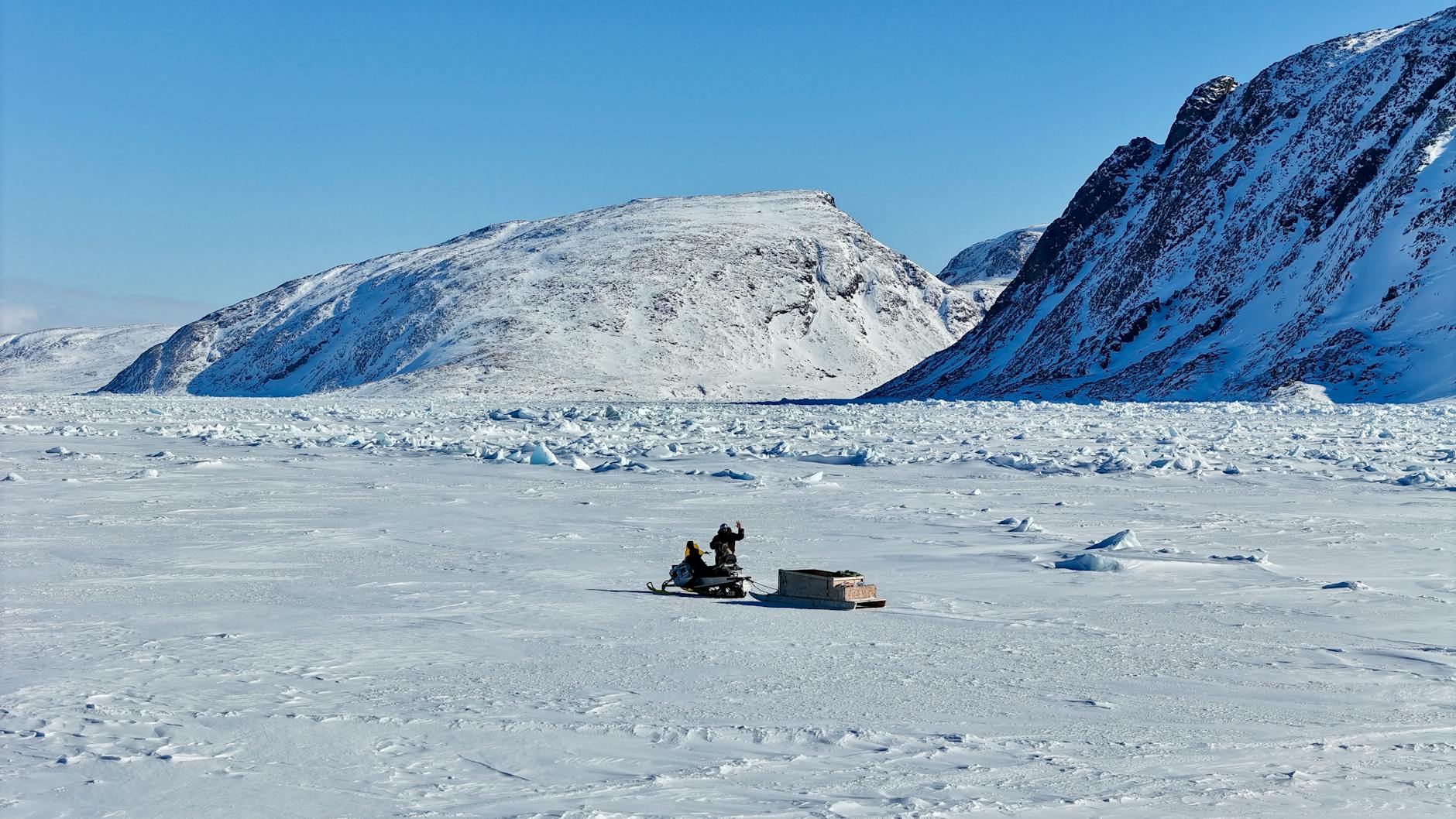
Photo by Putulik Jaaka on Pexels.com

Be bold in vision and careful in planning. Dare to try something new, but be meticulous enough in your proposal to give your ideas a good chance of succeeding.’

In a rapidly changing world, be willing to venture in new directions to seize new opportunities and learn new skills.’

Once you make a career decision, commit to stick through the tough learning period.’

Hire those who share your vision. Someone who clashes with your personality or the corporate culture will hinder your work.’

‘Motivate your staff to be independent. If you have been a good leader, they will have the determination to succeed on their own.’

Hire those with talents and expertise you lack. Don’t feel threatened by them. They will help you stay on the cutting edge and bring distinction to your organization.’

Take the time to observe before acting, especially if you are new to the scene. All changes should be aimed at improvements. Don’t make changes just for the sake of leaving your mark.’

Where possible, have employees work together on certain tasks. It builds trust and respect and even friendship.’

Create a work environment comfortable enough to entice professionals to spend the greater part of their waking hours there. Allow for some personal preferences.’

Give consistent feedback on performance. Most workers feel they don’t get nearly enough words of praise and encouragement.’

‘Get rid of unnecessary middle layers of authority. Direct leadership is more efficient in emergency situations.’

Source

Margot Morrell and Stephanie Capparell (2001). Shackleton’s Way: Leadership Lessons from The Great Antarctic Explorer