
‘How To See What Others Don’t’

Photo by Johan Pu00e9rez on Pexels.com

The art of meta-leadership allows you to be far better than competitors at seeing what is true and what isn’t.’

We use shortcuts to reduce uncertainty and make decisions faster, but they also make us more prone to error.’

The brilliant future we imagine is unattainable if we insist on guarantees of perfection.’

Leaders needn’t be in the weeds– but they can’t abide tactics that are disconnected from strategic direction.’

‘Leaders need expert advice, but it should not carry undue weight.’

People who aren’t adaptable will find success in some situations but will belly flop in others.’

Blaming others, or ourselves, for failure doesn’t teach us how something happened.’

‘Even intelligent, knowledgeable, experienced people fall into the trap of using either analysis or synthesis as a default.’

We need goals and actions- but we do better when they’re connected, and when our actions give us a glimpse of success.’

Great leaders use wisdom to help them discern what knowledge is needed in what circumstance.’

Deconstruction is the act of taking something apart while retaining the component parts.’

Source

Constance Dierickx (2023). Meta Leadership: How to See What Others Don’t and Make Great Decisions

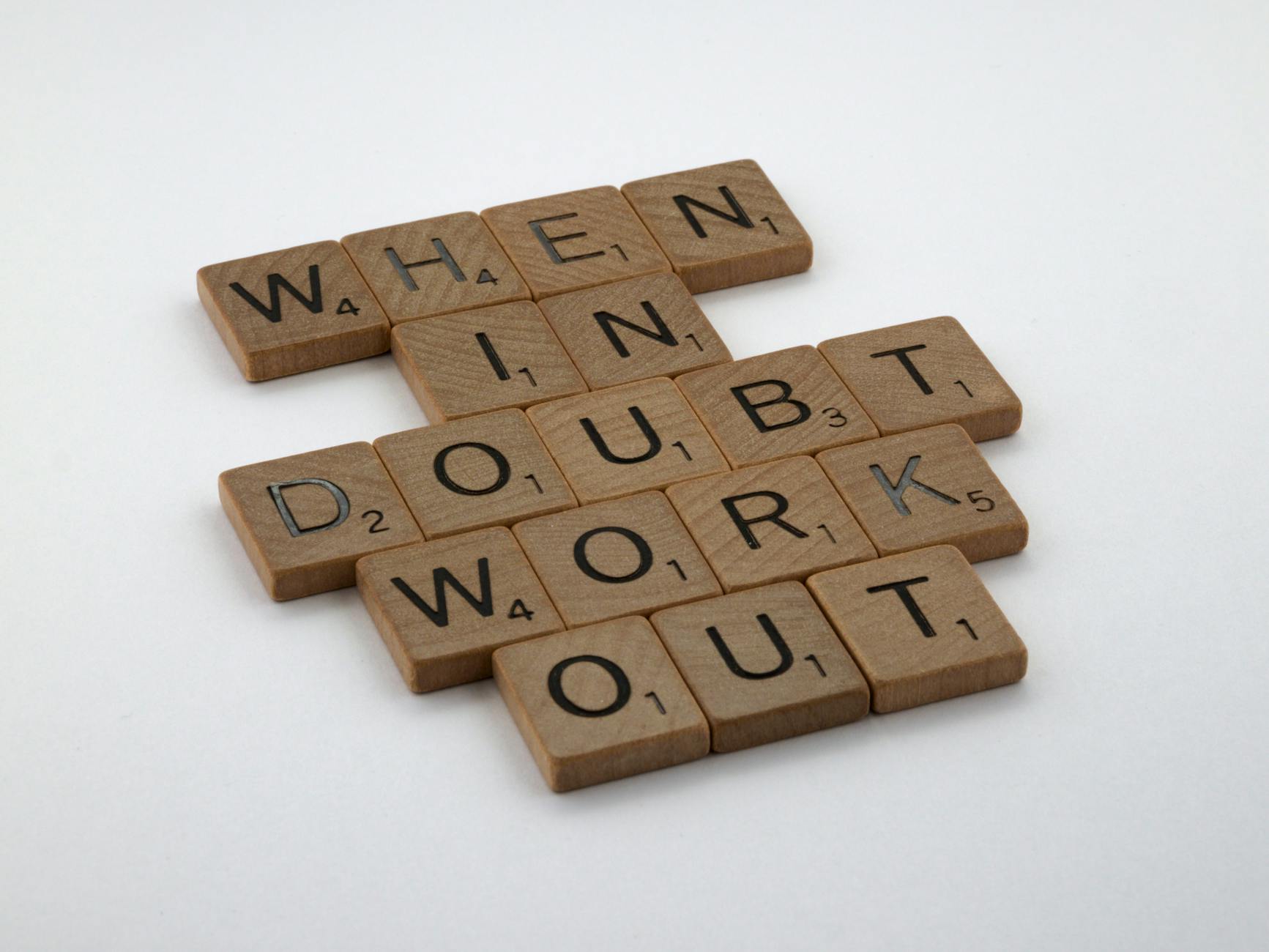
How To Stop Making Excuses

Photo by Brett Jordan on Pexels.com

Think incrementally. Face fears by breaking them down into small actions steps.’ Take one step at a time.’

Take corrective action. Have a plan B before you make a bold move. … Having a plan means you’re not going to be caught flat-footed if something doesn’t work out. You can keep moving forward.’

Expand your job whenever possible. Instead of refusing to do something that’s not in your job description, jump at the chance to learn a new skill and spend time with people whom you don’t see often or at all.’

‘Learn for longevity. You may not be the CEO of a large company, but you are the CEO of your own life.’

Learn from those you serve. Pay attention to your constituents and stakeholders, whoever they may be. You can learn a lot from the people who count on you for services and products.’

Stop procrastinating. … Break down big jobs into small ones. then do each job one step at a time. Remind yourself why you want to do it. If the timing isn’t right, figure out why and do it anyway.’

Evaluate yourself on output, not activity. When assessing how you spent your day, look at what you actually accomplished, not the amount of busy work you did.’

Deal with existing conditions; don’t be defined by them.’

Self-pity is just a trap, but it’s one you can get out of. Make it your business to implement a zero-tolerance policy for your own dark feelings and negative self-talk.’

Manage priorities. Look at what needs to be done to meet your goals strategically. Make sure you are doing tasks in the right order, which is the order that brings you to your goal the most efficiently.’

Source

Jon Taffer (2018). Don’t Bullsh*t Yourself! : Crush the Excuses That Are Holding You Back